When a commercial roof is leaking, the visible interior stain does not necessarily identify the point where water entered the roof. A useful roof inspection should document what can be confirmed, note what cannot be accessed or verified during the visit, and identify the next step needed to narrow the diagnosis. Woolbright’s Roofing & Construction provides commercial roof inspection and leak-detection services within its current service region. Call (951) 609-1818 to discuss an inspection and whether your property falls within current service coverage.
Roof Leak Detection Starts With Evidence
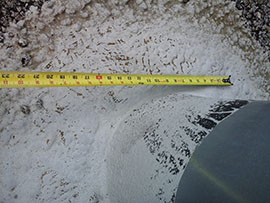
Water can travel along insulation, decking, seams, or structural interfaces before it becomes visible inside a building. That means the stain on a ceiling or wall may be some distance from the actual entry point. An inspection should therefore connect interior symptoms with roof-level evidence rather than assume the leak is directly above the visible damage.
The roof-level review should include safely accessible seams, flashing, penetrations, curbs, drains, scuppers, membrane surfaces, previous repair areas, and any locations associated with reported interior moisture. Woolbright’s current commercial roofing services include leak detection, troubleshooting, roof condition analysis, maintenance, repair, and replacement planning.
What an Inspection Can and Cannot Confirm
A single visual inspection does not always establish the complete moisture path. Some problems are hidden beneath the membrane or insulation, and some conditions may require a different test or a second visit before the cause can be confirmed.
Moisture screening, infrared imaging, probes, or other follow-up methods can help when the visual evidence is incomplete, but each method has limitations. Screening findings should be treated as evidence that supports further investigation rather than automatic proof of saturated insulation or concealed damage.
If the inspection cannot confirm the source during the first visit, the report should say so clearly and explain what additional step is recommended. That may be monitoring after rainfall, a moisture scan, a controlled opening, a follow-up visit, or another method appropriate to the roof system and suspected problem.
Document Inaccessible Areas Instead of Guessing
Not every section of a commercial roof is always available for a complete inspection. Rooftop equipment, stored materials, debris, tight transitions, unsafe access conditions, or other obstructions can limit what can be seen or reached during a visit.
Those limits should be documented rather than hidden. The inspection record should identify the area that could not be assessed, why access was limited, and what must happen before that section can be evaluated. If equipment needs to be moved or a separate access method is required, the report should make that next step clear.
What the Inspection Report Should Include
A useful report should give the owner or facility manager enough evidence to understand the condition and request a scoped next step. At minimum, it should include:
- Dated photos: overall roof views and close-ups of documented defects or areas of concern.
- Defect locations: references to a roof section, drain, curb, wall, penetration, parapet, or other location that can be found again.
- Diagnostic limitations: any inaccessible areas, unconfirmed moisture paths, or findings that still require additional testing.
- Recommended actions: monitoring, repair, additional investigation, restoration evaluation, or replacement planning based on what was actually found.
- Follow-up triggers: conditions that should prompt another visit, such as recurring leakage, new ponding, severe weather, or movement at a previously documented defect.
Woolbright’s roof inspection information also emphasizes checking for leaks, ponding water, storm damage, and wear before those conditions become larger problems.
Choosing the Next Step After Inspection

An inspection should not force every roof into the same recommendation. If the evidence points to one isolated seam, flashing, puncture, or drainage issue, a scoped repair may be appropriate. If moisture appears widespread, defects recur in unrelated areas, or the membrane, insulation, or deck shows broader deterioration, further investigation or a larger restoration or replacement scope may be needed.
The recommendation should distinguish what was observed from what is inferred. If a condition cannot yet be confirmed, the report should identify the evidence needed before a repair or replacement decision is finalized.
Roof Inspection in Dana Point, CA
This existing page is intended to help Dana Point commercial property owners understand how a roof inspection can be used to investigate leaks. Before publication, Woolbright’s current service-area record should be confirmed for Dana Point because the company’s current public service description focuses on Southwest Riverside County and the Temecula Valley.
Call for Information
Call Woolbright’s Roofing & Construction at (951) 609-1818 to discuss the leak symptoms, what can be documented during an inspection, and whether the property is within current service coverage.
Frequently Asked Questions
What if the leak source cannot be confirmed during the first inspection?
The report should explain what remains uncertain and recommend the next appropriate step, such as monitoring, moisture screening, a controlled opening, or a follow-up visit.
What happens if part of the roof cannot be accessed?
The inaccessible area should be documented along with the reason access was limited and what needs to happen before that section can be evaluated.
What should I receive after a commercial roof inspection?
A useful report should include dated photos, defect locations, inaccessible areas, diagnostic limitations, recommended actions, and clear follow-up triggers.
How often should a commercial roof be inspected?
Use the roof system’s written maintenance requirements, current condition, leak history, and severe-weather events to set the schedule rather than relying on one universal inspection frequency.