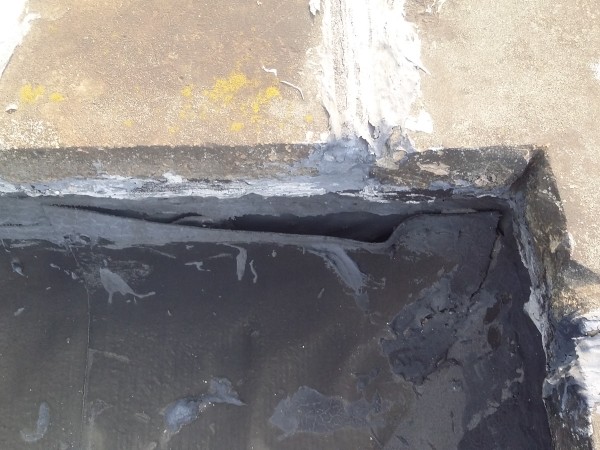
Commercial roof maintenance in Canyon Lake, CA should be based on the roof’s actual condition, drainage, repair history, rooftop activity, and system type rather than a fixed calendar alone. A practical maintenance plan helps property owners document changes, address manageable defects, and recognize when a separate repair, restoration, or replacement decision is needed.
Woolbright’s Roofing & Construction provides commercial roof maintenance as part of its General Commercial Roofing scope in Southwest Riverside County and the Temecula Valley, including Canyon Lake. The company has served the region since 1988 and works with flat and low-slope commercial roofing systems.
Start With the Roof’s Current Condition

A maintenance plan is more useful when it begins with a clear condition baseline. The roof surface, seams, flashing, penetrations, drains, scuppers, gutters, roof edges, previous repairs, and areas around rooftop equipment should be reviewed so the owner knows which conditions are routine maintenance items and which already require corrective work.
That baseline also gives future visits something to compare against. A seam that looks unchanged over several visits is different from one that is opening progressively, and a drainage area that repeatedly collects water deserves more attention than one isolated observation after a storm.
What a Commercial Roof Maintenance Visit May Include
The exact scope should match the roofing system and the agreement with the contractor, but common maintenance items include:
- Surface condition: checking for visible wear, punctures, cracking, blisters, displaced materials, or other changes appropriate to the roof system.
- Seams and laps: reviewing joints for separation, movement, or damage that may require repair.
- Flashing and penetrations: checking walls, curbs, pipes, equipment supports, and roof edges for open or deteriorated details.
- Drainage: looking for debris, restricted outlets, recurring low areas, or other conditions that interfere with water movement.
- Rooftop traffic areas: reviewing routes around HVAC units and other equipment where service activity may increase the chance of surface damage.
- Previous repair areas: checking whether earlier work remains serviceable or shows signs of recurring movement or leakage.
Owners should confirm what documentation is included. Woolbright’s current site materials describe documented roof history, photo-based inspections and evaluations, maintenance scheduling, and condition reporting as part of its broader roof asset management approach.
How Often Should a Commercial Roof Be Checked?
There is no single interval that fits every Canyon Lake commercial roof. Frequency should reflect the roof system, age, current condition, repair history, nearby debris, rooftop traffic, drainage performance, weather exposure, and any written maintenance or warranty requirements that apply to the installed system.
Additional evaluation may be appropriate after severe wind or rain, new leakage, rooftop equipment work, visible damage, or a meaningful change in drainage. Seasonal planning can help organize maintenance, but twice-yearly visits should not be treated as a universal requirement for every building.
Maintenance Does Not Replace Repair
Routine maintenance is appropriate for a serviceable roof that needs ongoing care. If a visit finds an active leak, separated seam, damaged flashing, punctured membrane, deteriorated substrate, or another defect that requires corrective work, that condition should move into a defined repair scope rather than being described as ordinary maintenance.
The same distinction applies when problems are widespread. A roof with broader deterioration or recurring failures may need a restoration or replacement discussion instead of repeated minor maintenance. Woolbright’s existing commercial roof restoration information for Canyon Lake covers that separate decision path.
Single-Ply Roofs Need System-Specific Checks
A single-ply roof maintenance visit should consider the details specific to the installed membrane. Seams, penetrations, flashings, attachment conditions, and areas exposed to foot traffic should be reviewed using methods appropriate to the material and installation.
Woolbright’s also publishes information about single-ply membrane roofing in Canyon Lake. Maintenance should follow the actual membrane system and its written requirements rather than assuming every TPO, PVC, or EPDM roof uses the same inspection or repair method.
Drainage Problems Need Their Own Follow-Up
Standing water can be a useful observation, but it should not be reduced to a universal hour threshold. If water repeatedly remains on the roof, the contractor should look at drains, scuppers, gutters, low areas, slope, outlet configuration, and other conditions that influence water movement.
Clearing debris may solve a simple blockage. Recurring water accumulation after outlets are clear may point to a different drainage or building condition that needs separate evaluation. A maintenance plan should document that distinction rather than treating all ponding as the same problem.
Rooftop Equipment and Other Trades Matter
Commercial roofs with HVAC units, exhaust equipment, solar equipment, antennas, or other regularly serviced components can experience more traffic and more changes around penetrations. Property managers should track work performed by other trades and note new penetrations, displaced protection, dropped tools, or visible damage after service visits.
When those changes are documented, later maintenance visits can focus on the areas most likely to have been affected. That is more useful than applying the same checklist to every part of the roof regardless of how the building is actually used.
Build a Maintenance Record That Supports Decisions
A useful maintenance record can show what was observed, what was corrected, what remains under observation, and what should be evaluated separately. That helps owners compare changes over time and plan future work based on actual roof conditions.
If a building does not have a current condition baseline, Woolbright’s Canyon Lake roofing information provides additional context about the company’s local commercial roofing services. The maintenance scope should still be tailored to the specific building rather than copied from another property.
Commercial Roof Maintenance in Canyon Lake, CA
Woolbright’s Roofing & Construction serves Canyon Lake and provides commercial maintenance, inspection, repair, restoration, and related roofing services for flat and low-slope systems. The company is licensed in California under CA #1146711 C-39, B and lists more than 37 years in business on its current site.
For a Canyon Lake commercial property, the strongest maintenance plan is one that reflects the roof’s actual condition, drainage, system type, rooftop activity, and repair history. Contact Woolbright’s Roofing & Construction at (951) 609-1818 to discuss the roof and the maintenance scope appropriate for the building.
Frequently Asked Questions
How often should a commercial roof in Canyon Lake be inspected?
The interval should reflect the roof system, condition, repair history, drainage, rooftop traffic, weather exposure, and any written maintenance requirements rather than one fixed schedule.
What is the difference between maintenance and repair?
Maintenance is ongoing care for a serviceable roof. When an active defect or damaged component requires corrective work, that condition should be handled under a defined repair scope.
Does standing water always mean the roof needs major work?
No. Water accumulation can involve debris, blocked outlets, low areas, slope, drain configuration, or other conditions. The cause should be evaluated before the scope is decided.
Does a single-ply membrane roof need different maintenance?
The core goals are similar, but seams, attachment, penetrations, surface condition, and repair methods should be evaluated according to the specific TPO, PVC, or EPDM system installed.