Single-ply membrane roofing in Temecula, CA gives commercial property owners several material and attachment choices, but TPO, EPDM, and PVC are not interchangeable. The right system depends on the existing roof assembly, deck, building use, rooftop exposure, drainage, chemical or grease exposure, wind conditions, and the goals of the project.
Woolbright’s Roofing & Construction serves Temecula within its commercial roofing area. For a facility comparing single-ply options, the useful question is not which membrane is universally best. It is which material, seam method, attachment method, and preparation requirements fit the building. Property owners can call 951-609-1818 to discuss the roof and the next evaluation step.
Why Single-Ply Membrane?
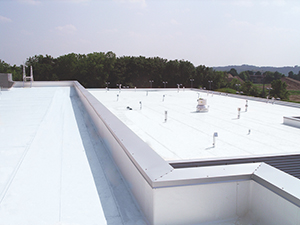
Single-ply roofing is a category of flexible sheet membranes used on many low-slope commercial roofs. TPO, EPDM, and PVC are three common membrane types, and each is built and joined differently.
- TPO (thermoplastic polyolefin): TPO is a thermoplastic membrane commonly supplied in light colors. Its field seams are joined with hot-air welding, which fuses adjoining sheets when the seam is properly prepared and welded. Light-colored TPO can reflect more solar radiation than a dark membrane, but actual building-energy performance also depends on insulation, HVAC operation, air leakage, roof assembly, and other building conditions.
- EPDM (ethylene propylene diene monomer): EPDM is a synthetic rubber membrane. Unlike TPO and PVC, it is a thermoset material, so its field seams are typically made with compatible seam tape or adhesive systems rather than hot-air welding. EPDM is often black, although system details and available products vary. Its flexibility and seam method can make it a practical option on some commercial roofs, but suitability still depends on the project.
- PVC (polyvinyl chloride): PVC is a thermoplastic membrane with hot-air-welded seams. It is available in light-colored formulations and is often considered where resistance to certain chemicals, oils, or grease is relevant. That does not make PVC automatically preferable for every building. The exposure, roof assembly, manufacturer requirements, and project scope still determine whether it fits.
How Attachment Methods Change the System

Membrane type is only part of the comparison. Single-ply roofs can be installed with different attachment methods, and that choice affects deck interaction, wind design, installation details, and the project scope.
Mechanically attached systems use fasteners and plates at specified locations to secure the membrane to the roof assembly. The fastening pattern and approved details depend on the system, deck, and design requirements.
Fully adhered systems bond the membrane to an approved substrate with adhesive. Substrate preparation, compatibility, moisture conditions, and manufacturer requirements matter because the membrane depends on the bond to the surface below.
Ballasted systems use approved ballast, such as stone or pavers, to hold the membrane in place. This approach is not appropriate for every structure because deck capacity, perimeter conditions, drainage, and system requirements must all be considered.
A proposal should identify the membrane, thickness or product where applicable, attachment method, seam method, insulation or cover-board scope, flashing details, drainage-related work, and any conditions that could change the price after tear-off or investigation.
Temecula Climate and Reflective Membranes
Temecula’s warm, sunny conditions can make roof-surface reflectivity relevant, especially on exposed low-slope roofs. Light-colored TPO and PVC surfaces generally reflect more solar radiation than dark EPDM. That can reduce roof-surface heat gain, but it should not be turned into a guaranteed utility-savings claim. Interior comfort and energy use also depend on insulation levels, HVAC equipment, controls, occupancy, air leakage, and the rest of the building envelope.
The roof’s condition also matters. A reflective membrane will not correct wet insulation, damaged decking, poor drainage, or failing flashing. Those conditions should be evaluated and included in the scope before a new membrane is selected.
Compare Quotes on More Than Membrane Name
Two bids that both say “single-ply roof” can describe very different projects. Compare the specified membrane, attachment method, seam method, insulation, cover board, flashing, penetrations, drainage details, tear-off or recover approach, exclusions, and how concealed conditions will be handled.
A Temecula facility owner should also ask whether the proposal is for repair, restoration, recover, or replacement. A roof inspection can help establish the current condition before that decision is made. If the existing roof remains serviceable, a repair or restoration approach may deserve consideration. If deterioration, moisture, or substrate conditions are broader, a larger replacement scope may be more appropriate.
Why Woolbright’s Roofing and Construction?
Woolbright’s Roofing & Construction provides commercial roofing services in the Temecula area. Its Temecula commercial roofing page gives property owners a same-market starting point for discussing roofing needs, while its commercial roof restoration page provides context when an existing roof may be a restoration candidate instead of a full replacement.
For a single-ply project, ask the contractor to explain why the proposed membrane and attachment method fit the building, what preparation is included, and which conditions could change the scope. The decision should follow the roof and building requirements rather than a one-size-fits-all material preference.
Call Us Now!
If you are comparing TPO, EPDM, or PVC for a commercial property in Temecula, begin with the existing roof assembly and the building’s needs. Confirm the membrane, seam method, attachment method, drainage and flashing scope, and the assumptions built into the proposal. If the roof condition is uncertain, an inspection is a useful first step before choosing a repair, restoration, recover, or replacement path.
To discuss single-ply membrane roofing with Woolbright’s Roofing & Construction, call 951-609-1818.
Frequently Asked Questions
What is the difference between TPO, EPDM, and PVC roofing?
TPO and PVC are thermoplastic membranes with hot-air-welded field seams. EPDM is a synthetic rubber membrane whose field seams are typically joined with compatible tape or adhesive systems. Each option has different material and project considerations.
Which single-ply membrane is best for a hot, sunny climate like Temecula?
There is no universal best choice. Light-colored TPO and PVC can provide higher solar reflectance than dark EPDM, but the right membrane also depends on the roof assembly, building use, exposure, drainage, and project requirements.
How is a single-ply membrane attached to the roof?
Common approaches include mechanically attached, fully adhered, and ballasted systems. The appropriate method depends on the deck, wind design, roof assembly, system requirements, and other project conditions.
Can a single-ply roof be repaired instead of replaced?
Sometimes. A localized defect may be repairable when surrounding materials remain serviceable, while widespread deterioration, moisture, or substrate problems may require a broader repair or replacement assessment.