A new shingle roof is more than the roofing materials visible from the outside. Proper ventilation is a critical part of roof performance, helping regulate temperature and moisture levels within the roofing system. Without adequate airflow, trapped heat and humidity can reduce shingle lifespan, increase energy costs, and contribute to long-term structural concerns.
Woolbright’s Roofing & Construction provides new shingle roof installation services in Moreno Valley, CA. Call (951) 609-1818 to learn more about roofing solutions designed for long-term durability and performance.
Understanding how ventilation works alongside a new shingle roof helps property owners protect their investment, improve energy efficiency, and support reliable roof performance for years to come.
Why Proper Ventilation Matters for a New Shingle Roof
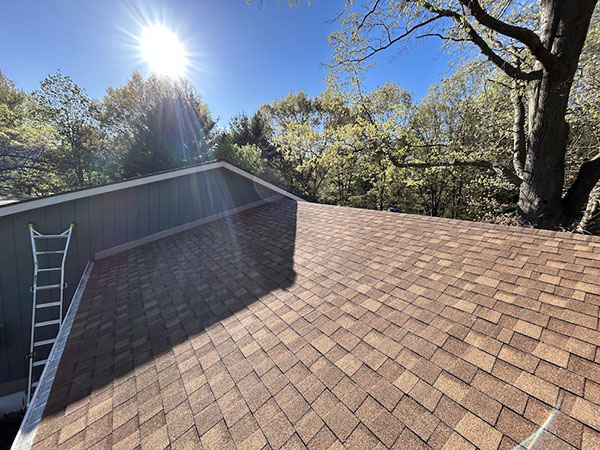
A new shingle roof depends on stable conditions underneath it to maintain its integrity. Ventilation works by allowing fresh air to circulate through intake and exhaust points, preventing heat buildup in summer and moisture accumulation in colder months. When airflow is restricted, attic temperatures can climb dramatically, causing shingles to age prematurely and adhesive layers to weaken.
Moisture control is equally important. Warm indoor air naturally rises and can condense in cooler attic spaces. Over time, this trapped moisture can lead to mold growth, wood rot, and insulation damage. Even the highest-quality roofing materials struggle to perform when the underside of the roof deck is consistently damp or overheated.
Common Ventilation Mistakes During Roof Installation
One of the most common issues with a new shingle roof is insufficient intake ventilation. Without enough intake vents, exhaust systems like ridge vents or mechanical fans cannot function properly. This imbalance disrupts airflow and creates pressure pockets that trap heat.
Another frequent mistake is blocking airflow pathways with insulation. While insulation is critical for energy efficiency, it must be installed carefully so it does not obstruct soffit vents or ridge channels. In many cases, homeowners only discover these issues after energy bills rise or early shingle deterioration becomes visible.
Inadequate ventilation design can also occur when older homes are upgraded with modern roofing materials without evaluating the existing airflow system. A roof that once performed adequately may struggle under new material standards if ventilation is not upgraded alongside it.
Benefits of Proper Ventilation for Long-Term Roof Performance

When a new shingle roof is paired with a balanced ventilation system, the benefits are substantial. Temperature regulation reduces thermal stress on shingles, helping them maintain flexibility and durability for longer periods. This means fewer repairs and a reduced likelihood of premature replacement.
Proper ventilation also improves indoor comfort. By reducing excess attic heat, the overall cooling load on a building decreases, leading to lower energy consumption during warmer months. In colder seasons, balanced airflow helps prevent ice dam formation by maintaining a consistent roof surface temperature.
Additionally, ventilation protects the structural integrity of the roof deck. Dry conditions reduce the risk of wood decay and fastener corrosion, both of which can compromise the stability of the entire roofing system over time.
Identifying Ventilation Problems Early
Signs of poor ventilation often appear gradually. Common indicators include uneven shingle wear, excessive attic heat, musty odors, or visible moisture on rafters. In some cases, homeowners may notice peeling interior paint or increased humidity inside the building.
Addressing these symptoms early can prevent more serious damage. When installing or evaluating a new shingle roof, it is important to assess whether airflow systems are properly balanced and functioning as intended.
New Shingle Roof Experts
Proper ventilation is an essential part of any new shingle roof and plays a major role in long-term roofing performance. Balanced airflow helps manage heat and moisture within the roofing system, reducing unnecessary stress on roofing materials and supporting greater durability over time. In climates with significant temperature fluctuations, proper ventilation can also contribute to improved energy efficiency and lower long-term maintenance costs.
Woolbright’s Roofing & Construction provides new shingle roof installation services in Moreno Valley, CA. Call (951) 609-1818 to discuss roofing solutions designed for long-term performance and reliability.
A properly designed roofing system combines quality materials, professional installation, and effective ventilation to help maximize roof lifespan and support dependable building protection.
FAQ
Why is ventilation important for a new shingle roof?
Ventilation regulates heat and moisture, preventing premature shingle deterioration and structural damage.
Can poor ventilation affect energy bills?
Yes, trapped attic heat increases cooling demand, raising overall energy costs.
What are common signs of ventilation problems?
Excess attic heat, moisture buildup, and uneven shingle aging are key indicators.
Does roof ventilation impact shingle lifespan?
Proper airflow significantly extends shingle durability by reducing thermal and moisture stress.