For building owners in Murrieta, CA, a well-performing roof is critical to protecting assets, tenants, and daily operations. Single-ply roofing systems are popular for their flexibility and durability, but they are not immune to wear. One of the most common reasons facilities require Single-ply roof repair is seam failure. Knowing how and why seams fail can help property owners respond quickly and prevent costly damage. If you suspect issues with your roof in Murrieta, CA, professional help from Woolbright’s Roofing & Construction is available at (951) 609-1818.
Common Seam Failures That Lead to Single-Ply Roof Repair
Why Seams Are the Most Vulnerable Part of Single-Ply Roofs
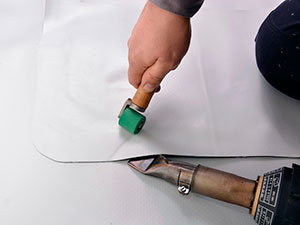
Single-ply roofing membranes, such as PVC, TPO, and EPDM, are installed in large sheets that are joined together at the seams. These seams are essential for creating a watertight barrier, but they are also the most stressed areas of the system.
Thermal Movement and Expansion
Single-ply membranes expand and contract with temperature changes. Over time, constant movement can weaken seam bonds, especially in climates with hot days and cooler nights. If seams were not properly welded or adhered during installation, this movement accelerates separation.
Installation Errors
Improper heat welding, inadequate adhesive application, or insufficient seam overlap can lead to premature failure. Even small installation inconsistencies may not show immediate problems but can result in leaks months or years later.
Weather Exposure
UV radiation, wind uplift, and heavy rain place repeated stress on seams. In commercial environments where roofs are exposed to constant sunlight and occasional storms, seams endure more wear than the membrane itself.
Because seams are critical to roof integrity, even minor damage often requires prompt Single-Ply Roof Repair to prevent moisture intrusion.

Common Seam Failures That Trigger Single-Ply Roof Repair
Understanding the specific types of seam failures can help building owners identify issues early and communicate more effectively with roofing professionals.
Heat-Weld Separation
In heat-welded systems like TPO and PVC, seams rely on proper temperature and pressure during installation. Over time, poor welds may begin to split, allowing water to penetrate beneath the membrane.
Adhesive Breakdown
EPDM systems often use adhesive-bonded seams. Exposure to heat, moisture, or chemical contaminants can cause adhesives to dry out or lose strength, resulting in seam lifting or peeling.
Edge Curling and Fishmouths
When seams are not laid flat or become stressed, the membrane edges may curl upward, creating openings known as fishmouths. These gaps are highly susceptible to wind-driven rain and debris accumulation.
Punctures Along Seams
Foot traffic, HVAC maintenance, or dropped tools can puncture seams more easily than field areas. Once damaged, seams can channel water directly into the roof assembly.
Each of these issues compromises the roof’s waterproofing ability, making timely Single-Ply Roof Repair essential for protecting the building structure.
How Professional Repairs Restore Seam Integrity
Addressing seam-related issues requires specialized knowledge and materials. Temporary fixes or surface-level patches often fail to resolve the underlying problem.
Thorough Inspection and Diagnosis
Professionals evaluate seam condition, membrane tension, and surrounding areas to determine whether repairs or partial seam replacement are needed. This ensures the solution addresses the root cause, not just visible damage.
Proper Cleaning and Preparation
Effective repairs depend on clean, dry surfaces. Dirt, oils, and moisture must be removed before re-welding or re-adhering seams to ensure long-lasting results.
Precision Repair Techniques
Depending on the membrane type, repairs may involve reheating seams, applying reinforced seam tape, or replacing damaged sections entirely. Each method is chosen based on compatibility with the existing roof system.
Preventing Recurring Problems
Quality Single-Ply Roof Repair also focuses on reducing future stress, such as improving drainage near seams or reinforcing high-traffic areas.
Experienced contractors, such as Woolbright’s Roofing & Construction, focus on proper seam restoration to extend roof life rather than relying on short-term solutions.
Reliable Single-Ply Roof Repair Service
Seam failures may start small, but they rarely stay that way. Left unaddressed, they can lead to insulation saturation, interior leaks, and structural deterioration. For commercial building owners and homeowners, understanding seam-related risks allows for quicker action and more cost-effective repairs.
If you suspect seam damage or want expert evaluation of your roof in Murrieta, CA, professional help from Woolbright’s Roofing & Construction is just a phone call away. Contact (951) 609-1818 to discuss your Single-Ply Roof Repair requirements and protect your building before minor issues escalate.
FAQ
What causes single-ply roof seams to fail prematurely?
Poor installation, thermal movement, UV exposure, and aging adhesives are common causes of early seam failure.
Can seam damage be repaired without replacing the entire roof?
Yes, many seam issues can be repaired if caught early, avoiding full roof replacement.
Are seam failures always visible from the roof surface?
Not always. Some seam separations occur beneath overlapping layers and require professional inspection to detect.
Does foot traffic increase the risk of seam damage?
Yes, frequent foot traffic near seams can accelerate wear and increase the likelihood of punctures or separation.