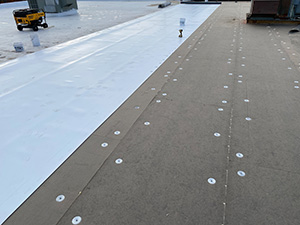
For commercial property owners in Menifee, CA, selecting the right roofing system is a decision that impacts durability, energy efficiency, and long-term maintenance costs. One of the most popular options today is the single-ply membrane, known for its flexibility, affordability, and performance in a variety of climates. However, not all membranes are the same, and choosing the right one requires a clear understanding of your building’s needs. Companies like Woolbright’s Roofing & Construction in Menifee, CA help business owners navigate these choices with confidence. If you’re considering a roofing upgrade or replacement, call 951-609-1818 to connect with Woolbright’s Roofing & Construction for expert guidance.
Understanding the different types of single-ply membranes and how they perform can help you make a decision that protects your investment for years to come.
How to Choose the Right Single-Ply Membrane for Your Building
The first step in choosing the right single-ply membrane is knowing the main types available: EPDM, TPO, and PVC. Each offers distinct advantages depending on your building’s requirements.

EPDM (Rubber Membrane): Known for its durability and flexibility, EPDM performs well in varying temperatures. It is often chosen for buildings that require strong resistance to weather changes.
TPO (Thermoplastic Polyolefin): TPO is valued for its energy efficiency due to its reflective surface. It helps reduce heat absorption, making it ideal for buildings looking to lower cooling costs.
PVC (Polyvinyl Chloride): PVC offers excellent chemical resistance and durability, making it a strong choice for industrial or restaurant environments where exposure to grease or chemicals is common.
Each material has its own installation methods, repair requirements, and lifespan. Understanding these differences allows commercial property owners to align their roofing choice with operational needs.
Evaluating Building Needs and Environmental Factors
Choosing the right single-ply membrane goes beyond material type, it also involves evaluating your building’s specific conditions. Factors such as roof size, slope, and exposure to sunlight play a major role in determining the best option.
For example, buildings in Menifee, CA often experience high levels of sun exposure. In such cases, reflective membranes like TPO or PVC can help reduce heat buildup and improve energy efficiency. On the other hand, if your building is exposed to frequent temperature fluctuations, EPDM’s flexibility may provide better long-term performance.
Additionally, consider how your building is used. Facilities with heavy rooftop equipment or frequent foot traffic may require a more durable membrane that can withstand wear and tear. Restaurants or industrial sites may benefit from PVC’s resistance to chemicals and grease.
Taking the time to evaluate these factors ensures that your roofing system is tailored to your building’s unique demands.
Installation Methods and Long-Term Performance
Another important aspect of selecting a single-ply membrane is understanding how it will be installed. Installation methods can affect both performance and longevity.
Fully Adhered Systems: The membrane is glued directly to the roof surface, providing a smooth and secure finish. This method offers excellent wind resistance and a clean appearance.
Mechanically Attached Systems: Fasteners are used to secure the membrane, making installation quicker and often more cost-effective.
Ballasted Systems: The membrane is held in place with heavy materials like gravel, providing stability and protection.
Each method has its advantages, and the right choice depends on factors such as budget, building structure, and local weather conditions. Proper installation is critical to ensuring that the membrane performs as expected and delivers long-term value.
Working with experienced professionals ensures that the installation process is handled correctly, minimizing the risk of future issues.
Balancing Cost, Efficiency, and Durability
When selecting a single-ply membrane, it’s important to balance upfront costs with long-term benefits. While some materials may have a higher initial price, they often provide greater durability and energy savings over time.
For example, reflective membranes like TPO and PVC can reduce cooling costs, making them a cost-effective choice for buildings in sunny climates. EPDM, while typically more affordable upfront, offers excellent durability and can be a reliable option for many commercial properties.
Maintenance requirements should also be considered. Choosing a membrane that aligns with your maintenance capabilities can help prevent unexpected expenses and extend the life of your roof.
Ultimately, the goal is to select a roofing system that delivers the best combination of performance, efficiency, and value for your specific building.
Single-Ply Membrane Experts
For commercial building owners in Menifee, CA, choosing the right single-ply membrane is a critical step in ensuring long-term roof performance and cost efficiency. By understanding the differences between EPDM, TPO, and PVC, evaluating your building’s unique needs, and considering installation methods, you can make an informed decision that protects your investment. A well-chosen membrane not only enhances durability but also improves energy efficiency and reduces maintenance costs. Partnering with experienced professionals like Woolbright’s Roofing & Construction ensures that your roofing system is selected and installed with precision. If you’re planning a roofing project in Menifee, CA, call 951-609-1818 to speak with Woolbright’s Roofing & Construction and get expert support every step of the way.
FAQ
What is a single-ply membrane roofing system?
It is a roofing system made from flexible sheets of synthetic materials designed for durability and waterproofing on flat or low-slope roofs.
Which single-ply membrane is best for energy efficiency?
TPO and PVC are known for their reflective properties, which help reduce heat absorption and lower energy costs.
How do I choose between EPDM, TPO, and PVC?
The choice depends on your building’s needs, including climate, usage, and budget.
Are single-ply membranes durable for commercial buildings?
Yes, when properly installed and maintained, they offer long-lasting protection and performance.