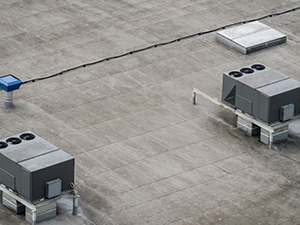
When commercial building owners in San Jacinto, CA begin searching for a trusted roofing company, one of the first considerations is cost. But roofing project rates are not one-size-fits-all. From labor and materials to project size and weather conditions, multiple variables contribute to the final estimate. Understanding these factors is critical to making informed decisions—and avoiding unpleasant surprises.
Call Woolbright’s Roofing & Construction at 951-609-1818 for a customized quote tailored to your commercial roofing needs in San Jacinto, CA.
Breaking Down the Key Factors That Influence Roofing Company Rates
Commercial roofing is far more complex than residential roofing. Larger surface areas, safety regulations, insulation requirements, and building code compliance all affect the cost of service. Below are the most influential factors that impact what a roofing company may charge for a commercial project.
Roofing Material Type and Quality

One of the most significant cost determinants is the type of roofing material chosen. Common commercial roofing systems include:
TPO (Thermoplastic Polyolefin): Affordable and energy efficient.
EPDM (Ethylene Propylene Diene Monomer): Durable and cost-effective for flat roofs.
PVC (Polyvinyl Chloride): Higher upfront cost but long-lasting and chemical-resistant.
Metal Roofing: Offers longevity and reflectivity but is one of the more expensive materials.
Modified Bitumen or Built-Up Roofing (BUR): Traditional options with varying pricing depending on layers.
Each material varies in cost per square foot, durability, and installation complexity. Opting for a high-performance system may raise initial expenses but lower maintenance and energy costs in the long run.
Roof Size and Project Scope
Commercial roofs can range from a few thousand to tens of thousands of square feet. The larger the roof, the more material, labor, and time required. Additionally, factors like:
- Slope and pitch
- Accessibility (height, location, equipment needs)
- Roof penetrations (vents, skylights, HVAC units)
…all contribute to the overall project scope and cost. Simple, flat roofs are often more affordable to service than complex, multi-level structures.
Labor Costs and Contractor Expertise
The cost of labor is another substantial part of your roofing bill. Highly skilled labor, especially from a well-established roofing company, may come at a higher hourly rate—but can lead to fewer delays, better craftsmanship, and longer-lasting results.
In regions like San Jacinto, CA, where weather conditions and UV exposure can take a toll on roofing materials, experienced contractors know which installation methods work best. Paying for that knowledge can prevent premature roof failures.
External Factors That Affect Commercial Roofing Rates
Local Regulations and Permitting
San Jacinto follows California state building codes, which often require stricter standards for energy efficiency, fire resistance, and seismic resilience. Compliance with these regulations can increase the complexity—and therefore the cost—of roofing jobs. Permit fees and inspection costs may also be added to your total estimate.
Tear-Off vs. Overlay
If your existing roof is heavily damaged, a complete tear-off may be required before installing a new system. This adds labor, debris disposal, and time to the project. In some cases, an overlay (installing a new layer over the existing one) is permissible, which can reduce costs but is not always ideal for long-term durability.
Weather and Seasonal Timing
In Southern California, while extreme cold isn’t a concern, heatwaves and occasional rain can affect project timelines. Scheduling your roofing project during dry, moderate months can ensure fewer weather-related delays and help you secure better rates from roofing companies not yet in their peak busy season.
How to Evaluate Roofing Company Estimates Wisely
As a commercial building owner, it’s not just about the cheapest quote, it’s about value, longevity, and compliance. Here are some tips when comparing quotes:
Request detailed breakdowns: Understand material vs. labor costs.
Check warranty coverage: A good warranty adds long-term value.
Ask about insurance and certifications: Protect your investment and property.
Review past commercial projects: Experience with similar buildings is essential.
Schedule a Commercial Roofing Consultation in San Jacinto, CA
Choosing a roofing company involves far more than just comparing price tags. In San Jacinto, CA, commercial property owners must consider weather durability, material efficiency, and local regulations when budgeting for roofing services. Knowing what factors influence costs will help you navigate bids with confidence and ensure your investment brings long-term returns.
If you’re evaluating roofing companies and need expert insight tailored to your commercial property’s needs, call Woolbright’s Roofing & Construction at 951-609-1818 today to schedule a detailed consultation.
FAQ
Why do commercial roofing costs vary so much between companies?
Differences in material quality, labor expertise, insurance, overhead, and scope of services all affect pricing. Always compare apples to apples when reviewing quotes.
Is it cheaper to overlay a commercial roof rather than tear off the existing one?
Initially, yes. However, overlays may hide structural damage or violate building codes in some cases. A roofing professional can advise the safest option.
How can I reduce the cost of a commercial roofing project?
Choose energy-efficient materials (which may qualify for tax incentives), schedule work during off-peak seasons, and address minor issues before they require full-scale replacement.
How do I know if a roofing company is quoting me fairly?
Get at least three quotes, ask for itemized estimates, verify licenses and insurance, and read reviews or testimonials from other commercial clients.
Does roofing material quality really make a big difference in cost?
Absolutely. Higher-quality materials often cost more upfront but save money on energy bills, maintenance, and longer lifespans.